
Cambodia's festivals explained
បុណ្យប្រពៃណីខ្មែរ
Three national festivals shape the Cambodian year — Khmer New Year in April, Pchum Ben in the rainy season, and the Water Festival on the Tonle Sap. Here is what each marks, when it falls, and what to expect on the ground.
Biggest festival
Khmer New Year
Mid-April, three official days
Water Festival
Bon Om Touk
Full moon of Kadeuk, usually November
Ancestor festival
Pchum Ben
15 days, ending September or October
Khmer New Year (Choul Chnam Thmey)
Khmer New Year falls in mid-April, at the end of the harvest and the hottest stretch of the dry season. It runs three official days: the first welcomes the incoming new-year deity, the second is for giving to family and to the pagoda, and the third for the ritual washing of Buddha statues and of elders' hands.
In practice the whole country moves. Phnom Penh empties as residents return to their home provinces, and streets in villages fill with traditional games — angkunh, chol chhoung, teanh proat tug-of-war — plus a great deal of water and talc throwing. Expect three to five days of reduced services, closed government offices and shut banks.
For visitors, April is hot but the atmosphere is the best of the year. Book domestic transport and hotels several weeks ahead, and assume intercity roads are congested the day before and the day after the break.
Pchum Ben, the ancestors' festival
Pchum Ben is a fifteen-day Buddhist observance in the tenth month of the Khmer lunar calendar, landing in September or October. Families visit pagodas before dawn to offer food to monks on behalf of ancestors who, by tradition, roam during this period and must be fed.
The final three days are public holidays and are the second-largest travel period of the year. Unlike Khmer New Year it is a solemn, family-centred festival rather than a street celebration — the visible side for visitors is the crowds of white-and-black-clad worshippers at pagodas at first light.
Bon Om Touk, the Water Festival
The Water Festival marks the annual reversal of the Tonle Sap river, when the flooded lake begins draining back into the Mekong. It is held over three days around the full moon of the lunar month of Kadeuk, normally in November, and is confirmed each year by royal sub-decree.
The centrepiece is longboat racing on the riverfront in Phnom Penh, with hundreds of crews from the provinces paddling boats that can carry more than seventy rowers. Evenings bring illuminated floats, fireworks and the ak ambok rice-flattening ritual under the full moon. Smaller regattas run in Siem Reap and other provincial towns.
Crowds in central Phnom Penh are extreme during the races. Riverside hotels sell out months in advance, roads near Sisowath Quay close, and the festival has been cancelled in some years for safety or mourning reasons — check the current year before building a trip around it.
The rest of the festival calendar
Meak Bochea (February) and Visak Bochea (May) are Buddhist holy days centred on candlelit pagoda processions. The Royal Ploughing Ceremony in May opens the planting season, with sacred oxen offered a choice of grain, water and wine to forecast the harvest. Independence Day on 9 November marks the end of the French protectorate in 1953.
Sea Festival, King Sihamoni's birthday and Constitution Day round out the year. Our events page tracks confirmed dates as each sub-decree is published.
Frequently asked questions
- When is the Cambodian Water Festival?
- Bon Om Touk falls on the full moon of the Khmer lunar month of Kadeuk, which usually places it in November. The exact three days change each year and are announced by royal sub-decree, so confirm the dates before booking travel.
- Why does Cambodia celebrate the Water Festival?
- It marks the annual reversal of the Tonle Sap river's flow, when the swollen lake starts draining back into the Mekong. The festival also commemorates the naval victories of the Angkorian king Jayavarman VII, which is why longboat racing is its centrepiece.
- When is Khmer New Year?
- Khmer New Year is celebrated in mid-April, typically 13-16 April, and lasts three official days. It follows the solar new year of the traditional Khmer calendar rather than a fixed Gregorian date.
- What is Pchum Ben?
- Pchum Ben is a fifteen-day Buddhist festival honouring deceased ancestors, ending in September or October. Families make pre-dawn offerings of food at pagodas so that ancestral spirits are fed. The last three days are public holidays.
- Is it a good time to visit Cambodia during a festival?
- Yes for atmosphere, no for logistics. Temples and cities are at their liveliest, but buses, ferries and hotels sell out, banks and government offices close, and small businesses shut for several days. Book well ahead and carry cash.
- How many public holidays does Cambodia have?
- Cambodia observes roughly 20 official public holiday days a year across about 18 occasions — one of the highest counts in Asia. Our public holidays guide lists every one with its date and significance.
Keep reading
- Cambodia public holidays: the full calendar
- Upcoming Cambodia events and festival dates
- Cambodia weather and the best time to visit
- Interactive map of places to visit in Cambodia
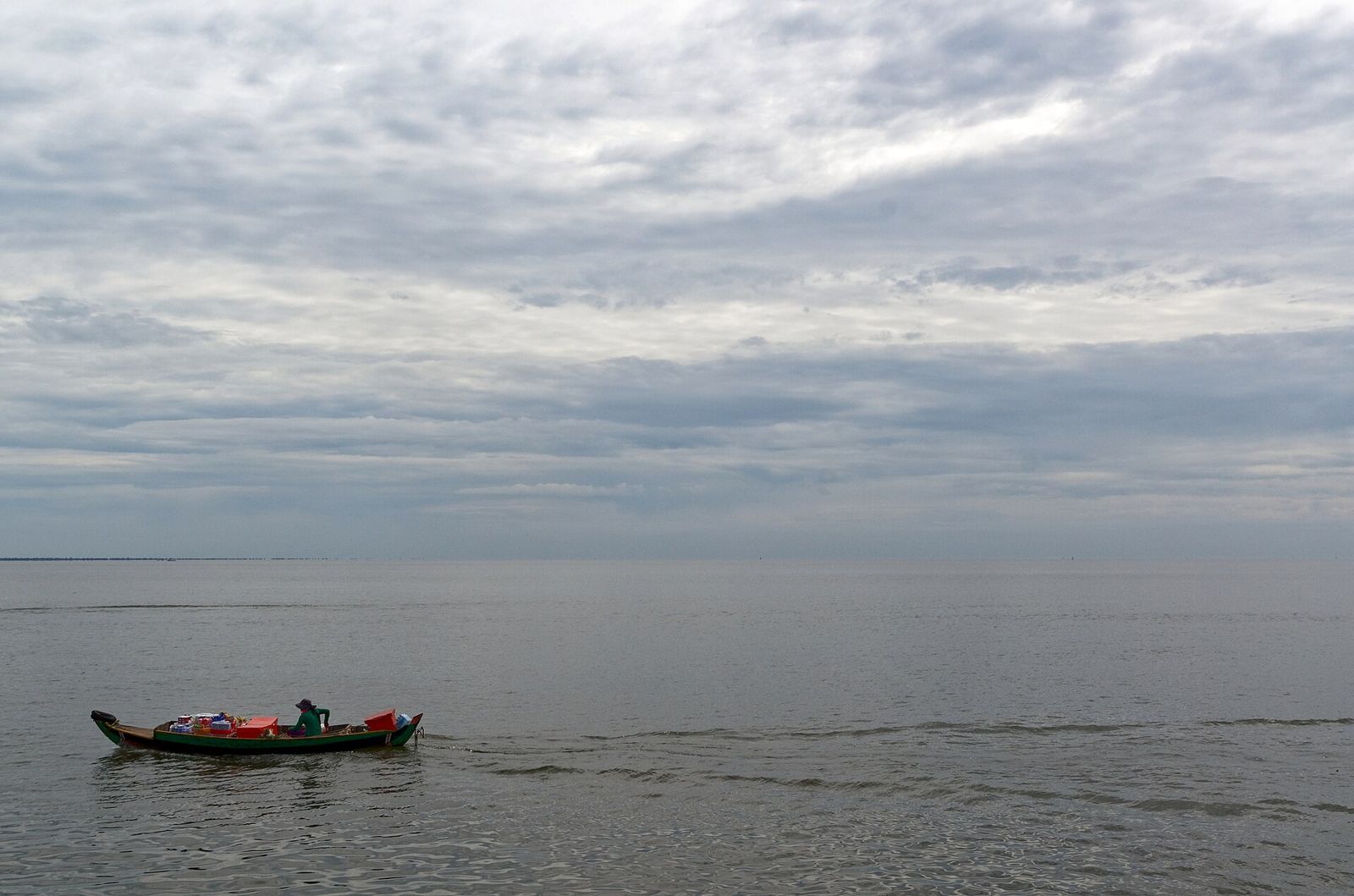
Photo: Tonle Sap — Wikimedia Commons (CC BY-SA 4.0)