
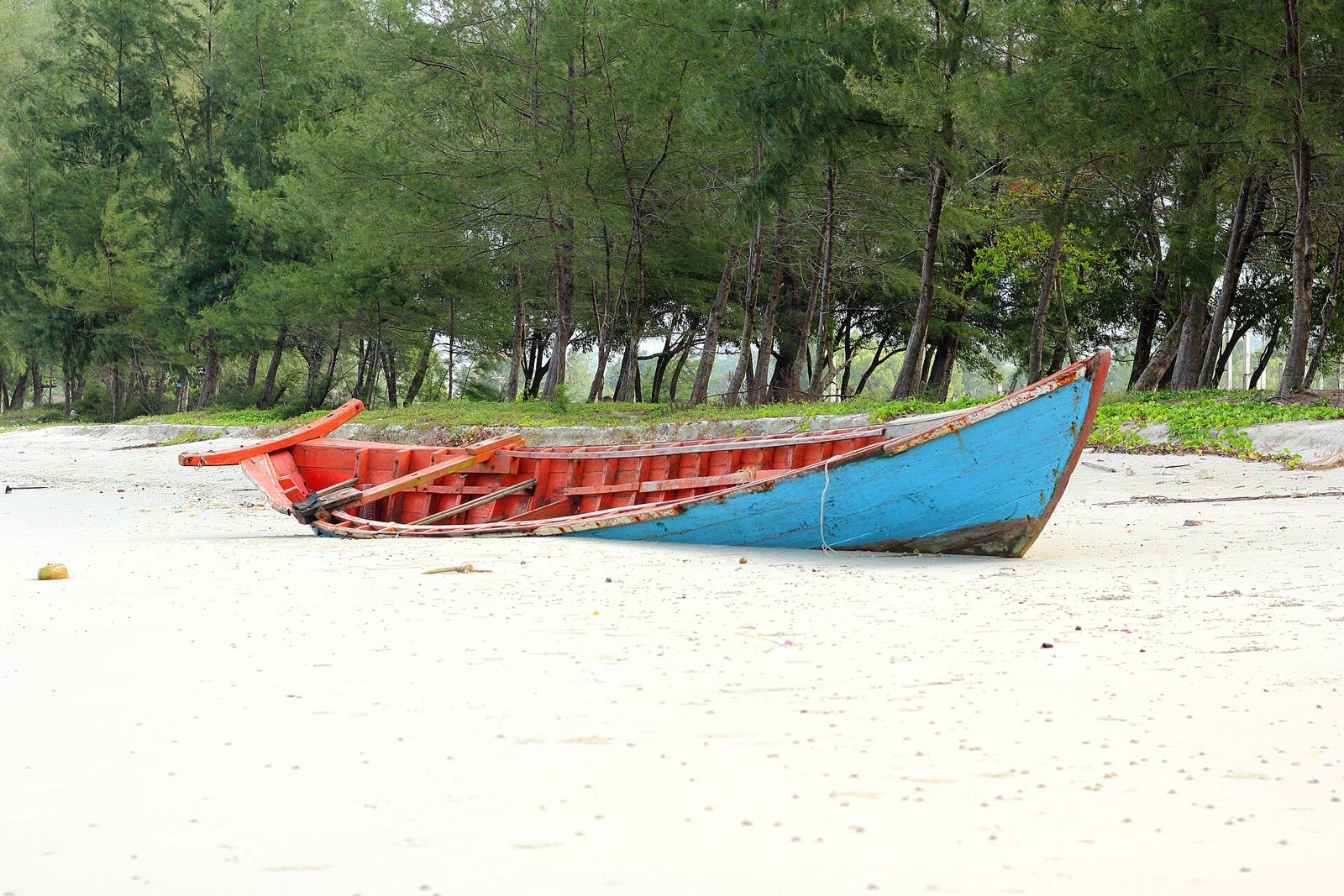
Kampot and Kep
កំពត និងកែប
Kampot and Kep are Cambodia's slow south: a riverside town of shophouses and pepper farms, and a tiny seaside province famous for crab. Together they make the easiest two- or three-day trip from Phnom Penh, and they are the country's quietest long-stay towns.
From Phnom Penh
3 – 4 hours
Bus, minivan or private car
Kampot to Kep
25 km
About 40 minutes by tuk-tuk
Best months
Nov – Mar
Dry, cooler and clearest skies
Getting there and getting around
Kampot is roughly 150 km from Phnom Penh and takes three to four hours by road. Large buses cost US$6-9, faster minivans US$8-12, and a private car US$50-70 for the whole vehicle. There is also a slow but scenic train service on the southern line that runs on selected days, taking longer than the bus but far more comfortable.
From Sihanoukville, Kampot is about two hours; from Kep, 25 km and roughly 40 minutes. Tuk-tuks between the two towns cost US$12-20 one way, and many visitors simply base in Kampot and day-trip to Kep.
Within Kampot, everything in the old town is walkable. Motorbike rental is US$5-8 a day, bicycles US$2-3, and tuk-tuks charge US$1-3 for short hops. A motorbike is the practical way to reach the pepper farms and salt fields.
What to do in Kampot
The riverfront and the French-colonial shophouse grid are the town's core pleasure — Kampot is a place for slow mornings and long lunches rather than a checklist. Sunset boat trips on the Praek Tuek Chhu river cost US$5-10 and often include the firefly stretch after dark.
Bokor National Park rises behind the town, a sealed road climbing to a plateau with an abandoned hill station, waterfalls and long views over the coast. Half-day tours run US$15-25, or ride up yourself; take a jacket, because it is noticeably cooler and often fog-bound at the top.
Kampot pepper is a protected-origin product and the farms welcome visitors. Tours are usually free or a few dollars and end with a tasting of black, red and white peppercorns. Add the salt fields west of town, the Secret Lake, and the caves at Phnom Chhngok with their seventh-century brick shrine.
Kep, the crab market and Rabbit Island
Kep is small enough to see in a day. The crab market on the shore is the reason most people come: crab is bought live from baskets held in the sea and cooked in Kampot pepper within minutes. A kilogram of crab costs roughly US$10-15 depending on season, and the surrounding restaurants will cook what you buy.
Kep National Park has an 8 km loop trail through forest above the town with viewpoints over the gulf; entry is about US$1. The abandoned mid-century modernist villas scattered through Kep are a curiosity worth an hour's wandering.
Boats to Koh Tonsay (Rabbit Island) leave from Kep pier, take about 25 minutes and cost around US$10-12 return. The island has simple beaches, basic bungalows and limited electricity — pleasant for a night if you want the quiet, and easy as a half-day trip if you do not.
Costs, where to stay and when to go
Accommodation is inexpensive: hostel dorms US$5-8, guesthouse rooms US$12-20, riverside bungalows and boutique hotels US$30-70, and a handful of higher-end resorts in Kep above that. Long-stay rentals are among the cheapest in Cambodia, with simple houses from US$150-300 a month, which is why both towns have a steady remote-working and retiree community.
Meals run US$2-4 at local restaurants and US$5-10 at Western-facing riverside places. Crab in Kep is the one splurge, and worth it. Budget US$25-40 a day for a comfortable independent trip.
November to March is the best window: dry, cooler and clear. April and May are hot, and June to October brings rain that turns Bokor foggy and some dirt roads soft — the countryside is at its greenest then and prices are lower, so the rainy season is a fair trade if you are flexible.
Frequently asked questions
- How do you get from Phnom Penh to Kampot?
- By road it is three to four hours. Buses cost US$6-9, minivans US$8-12 and a private car US$50-70 for the vehicle. A slow scenic train also runs on the southern line on selected days.
- Is Kampot or Kep better to stay in?
- Kampot has more accommodation, restaurants and things to do, and works better as a base. Kep is quieter and better for a night or two focused on the crab market, the national park and Rabbit Island.
- What is Kampot famous for?
- Kampot pepper, a protected-origin peppercorn grown on farms around the town, along with its riverside French-colonial architecture, Bokor National Park and the nearby salt fields.
- How much does crab cost at Kep crab market?
- Roughly US$10-15 a kilogram depending on the season, bought live from baskets in the sea. Nearby restaurants will cook it with Kampot pepper for a small charge.
- Is Rabbit Island worth visiting?
- For a quiet half-day or a simple overnight, yes. Boats from Kep pier take about 25 minutes and cost around US$10-12 return. Facilities are basic, with limited electricity and no resorts.
- When is the best time to visit Kampot and Kep?
- November to March, when the weather is dry and cooler and Bokor is clear. June to October brings rain but greener countryside and lower prices.
Keep reading
- Cambodia's beaches and islands
- Getting around Cambodia
- Weather and the best time to visit
- Cambodian food and what to order
- Explore Kampot on the map
- Retiring in Cambodia
Photo: Sihanoukville coast — Wikimedia Commons (CC BY-SA 4.0)