
Retiring in Cambodia
ការចូលនិវត្តន៍នៅកម្ពុជា
Cambodia attracts retirees for two reasons: the cost of living is low and the visa is unusually simple to keep renewing. The trade-off is healthcare — serious treatment means flying to Bangkok or Singapore, and that reality should shape the whole plan.
Visa
ER retirement
Extendable 12 months at a time
Comfortable budget
US$1,200 – 1,800
Per person, per month
Insurance
US$1,000 – 3,000 / yr
With regional evacuation cover
The retirement visa in practice
Retirees enter on an E-class ordinary visa and then apply for an ER (retirement) extension, generally available from age 55 to applicants who are not working in Cambodia and can show retirement income or savings. The twelve-month extension allows multiple entries and can be renewed indefinitely without leaving the country.
Compared with neighbouring countries, the documentation burden is light and there is no large fixed deposit requirement in a Cambodian bank. Most retirees process the extension through an agent, and the practical cost of a twelve-month ER extension including agent fee is usually a few hundred dollars.
Requirements are interpreted with some local variation, so confirm current documentation with your agent before each renewal. Keep proof of pension or retirement income, a passport with at least a year of validity, and copies of previous extensions.
What retirement actually costs
A single retiree living simply in Kampot, Battambang or Siem Reap manages on US$800-1,100 a month. A comfortable life in Phnom Penh with a serviced apartment, regular restaurant meals and a housekeeper runs US$1,200-1,800 per person, and couples benefit from sharing rent so the per-head figure drops.
Rent is the main lever: US$200-350 for a simple flat outside the centre against US$450-800 for a serviced apartment with a pool. Electricity is the biggest variable cost because of air conditioning, at US$30-200 depending on use. Food, transport and domestic help are all inexpensive.
The two costs that surprise people are health insurance and flights home. Budget realistically for both rather than treating them as optional, and keep a cash reserve for a medical evacuation deductible.
Healthcare and insurance
Routine care is fine and cheap. International clinics in Phnom Penh and Siem Reap handle consultations, dentistry, minor procedures and chronic-condition management competently, usually for US$30-60 a visit. Pharmacies are widespread and most medications are available without the prescription hurdles found elsewhere.
Complex surgery, cardiology and oncology are routinely referred to Bangkok or Singapore, both a short flight away with excellent hospitals. This is why every long-term resident should hold insurance that explicitly includes regional medical evacuation — typically US$1,000-3,000 a year depending on age and cover level, and harder to obtain after 70.
Check pre-existing condition exclusions carefully before moving, and arrange cover while you are still resident in your home country if that gives better terms. Bring a written summary of your medical history and a list of medications with their generic names.
Where retirees live, and the risks to weigh
Phnom Penh suits those who want hospitals, embassies and an active social scene close by. Siem Reap offers a smaller, walkable town with a strong long-stay community and quick access to the Angkor temples. Kampot and Kep are the quietest and cheapest, drawing retirees who want a river or coastal town at a slower pace; Sihanoukville is more volatile and changes fast.
The honest risks are healthcare distance, air quality and road safety during the dry season, heat and humidity year-round, and the fact that a foreigner cannot own land. Rent first for at least six months in any town before committing money, and read the property guide before buying anything.
Practical setup: open a local bank account, keep a home-country account for pension deposits, register with your embassy, and put a healthcare proxy and will in place. Getting those four things done in the first months removes most of the friction people complain about later.
Frequently asked questions
- Is there a retirement visa in Cambodia?
- Yes. The ER retirement extension of an E-class visa is generally available from age 55 to applicants who are not working in Cambodia and can show retirement income. It runs for twelve months, allows multiple entries and can be renewed indefinitely.
- How much money do you need to retire in Cambodia?
- A simple life in a provincial town costs US$800-1,100 a month per person; a comfortable Phnom Penh lifestyle with a serviced apartment runs US$1,200-1,800. Add health insurance of US$1,000-3,000 a year and an annual flight home.
- What is the minimum age to retire in Cambodia?
- The ER retirement extension is generally granted from age 55, provided the applicant is not employed in Cambodia and can evidence retirement income or savings.
- Is healthcare good in Cambodia for retirees?
- Routine care at international clinics in Phnom Penh and Siem Reap is adequate and inexpensive, but complex treatment is referred to Bangkok or Singapore. Insurance with regional medical evacuation cover is essential.
- Where do most retirees live in Cambodia?
- Phnom Penh for hospitals and services, Siem Reap for a smaller walkable town with a strong long-stay community, and Kampot or Kep for the quietest and cheapest coastal and riverside living.
- Can retirees buy a house in Cambodia?
- Foreigners cannot own land, so a house must be held through a registered long-term lease, a Cambodian-majority company or a Cambodian spouse. Strata-titled apartments above the ground floor can be owned outright.
Keep reading
- Cambodia visas and extensions
- Cost of living in Cambodia
- Safety, scams and healthcare
- Buying property in Cambodia
- Houses for sale and rent in Siem Reap
- Kampot and Kep guide
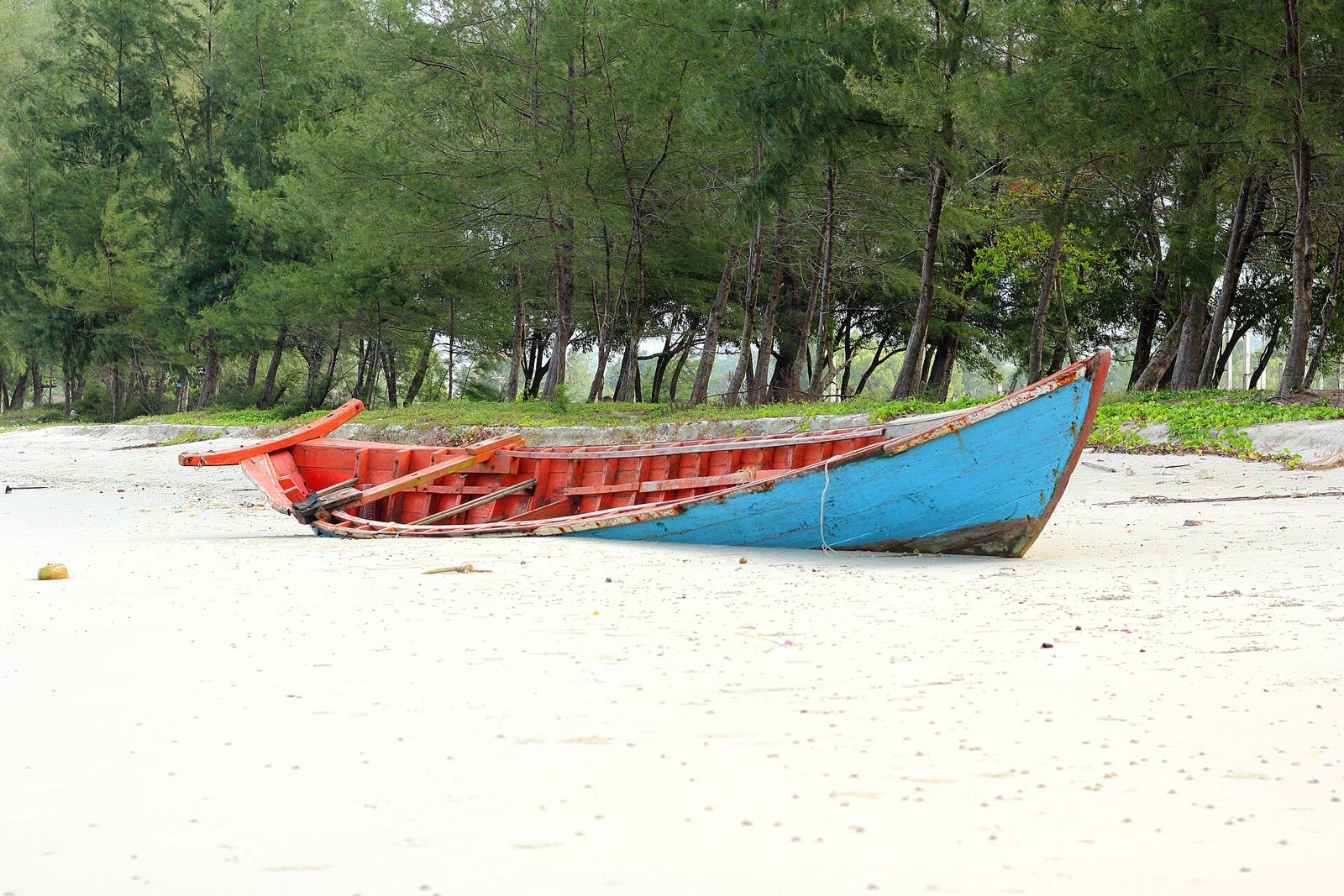
Photo: Sihanoukville coast — Wikimedia Commons (CC BY-SA 4.0)